

Inflammation has become a buzz word in modern health conversations. It’s blamed for everything from fatigue and joint pain to heart disease and diabetes. But inflammation itself isn’t the enemy. In fact, it’s a crucial part of how our body heals from injury and fights off infection.
The problem is when inflammation doesn’t turn off. Instead of lasting hours or days, it lingers for months or years as low-grade, chronic inflammation, quietly contributing to chronic disease.
The good news is that this long-term inflammation is strongly influenced by everyday choices. The foods you eat, the health of your gut, how you sleep, move, and manage stress all play a role.
In this article, we’ll explore what inflammation really is and how simple, evidence-based lifestyle changes can help restore balance.
What Is Inflammation? (The Body’s Built-In Defense System)
Inflammation is the body’s natural defense system. It’s how your immune system responds to injury, infection, or harmful substances like environmental toxins. When tissues are damaged, inflammation helps repair them, eliminate potential threats, and begin the healing process.
Although inflammation often gets a bad reputation because it’s associated with pain and swelling, it’s a protective and necessary response. The classic signs of acute inflammation include:
- Redness
- Swelling
- Heat
- Pain
- Temporary loss of function
If you’ve ever twisted your ankle or cut your finger, you’ve seen inflammation in action. That swelling and redness are signs your immune system is working as it should be.
Inflammation only becomes problematic when it doesn’t turn off after the original threat has passed.
Acute vs. Chronic Inflammation: When Protection Becomes a Problem
There are two types of inflammation; acute and chronic. While the underlying immune mechanisms are similar, their impact on the body is very different.
Acute Inflammation
Acute inflammation is the immune system’s immediate and short-term response to injury or infection. When you jam a finger and it swells, or cut your hand and it becomes red and warm, that’s acute inflammation. The immune system increases blood flow and sends protective cells to the affected area to repair tissue and prevent infection.
This response typically lasts from a few hours to a few days. It’s essential for wound healing, recovery, and fighting off potentially dangerous pathogens. Without acute inflammation, the body wouldn’t be able to heal effectively.
Chronic Inflammation
Chronic inflammation happens when the immune system stays activated long after the initial trigger is gone. Instead of resolving, it stays “on” at a low level.
What makes chronic inflammation problematic is that it can persist silently for months or even years. Over time, this ongoing immune activation can lead to:
- Ongoing tissue damage
- Immune dysregulation
- Increased disease risk
Unlike acute inflammation, which heals, chronic inflammation gradually wears down the body.
Why Chronic Inflammation Is a Big Deal for Your Health
One of the biggest challenges with chronic inflammation is that it often develops slowly and quietly. Many people don’t even realize they have it because symptoms can be subtle or attributed to stress, aging, or “just being tired.”
However, ongoing inflammation and immune disruption can be an underlying factor in many modern health conditions, such as:
- Heart disease
- Type 2 diabetes
- Autoimmune disease
- Neurodegenerative conditions
- Some cancers
Autoimmune conditions, in particular, are becoming increasingly common. In these cases, the immune system mistakenly attacks healthy tissue. For example, in rheumatoid arthritis the immune system targets joint tissue, while in Crohn’s disease it attacks the lining of the digestive tract.
Chronic inflammation doesn’t cause every disease on its own, but it’s proven to play a powerful contributing role.
Common Triggers of Chronic Inflammation
Chronic inflammation rarely appears without cause. It is strongly influenced by lifestyle, diet, and environmental triggers.
Lifestyle Triggers
- Poor diet: Diets high in processed foods, refined sugars, and unhealthy fats — and low in nutrient-dense whole foods — promote inflammatory signaling.
- Chronic stress: Both physical and emotional stress activate stress hormones that increase inflammatory markers.
- Poor sleep: Inadequate or disrupted sleep increases inflammatory cytokines and reduces immune regulation.
- Physical inactivity: Regular movement releases antioxidant and anti-inflammatory compounds that help balance immune activity.
- Smoking: Reduces anti-inflammatory molecules and increases oxidative stress.
- Aging: Natural immune changes with age can increase baseline inflammation.
- Poor gut health: An imbalanced microbiome increases inflammatory signaling and disrupts immune regulation.
- Obesity: Excess fat tissue releases pro-inflammatory compounds and drives hormonal and metabolic dysfunction.
Environmental Triggers:
- Pollution: Air, water, and soil contaminants can stimulate inflammatory responses.
- Pesticides: Chemical residues on food and in the environment may contribute to immune activation.
- UV radiation: Excessive exposure from sunlight or artificial sources can increase inflammation.
- Allergens: The immune system may overreact to otherwise harmless substances, triggering inflammatory compounds.
Nutrient deficiencies, including B vitamins, vitamins C, D, and E, and minerals like zinc and magnesium — can impair immune regulation and increase inflammation.
The encouraging part is that many of these triggers are be changed. Through healthy food choices, stress management, sleep support, and regular movement, we can help calm inflammatory pathways and promote balance.
Signs and Symptoms of Chronic Inflammation
Chronic inflammation doesn’t always show up in obvious ways. Unlike a swollen joint or cut, low-grade inflammation can be subtle and easy to overlook. Its symptoms are often mistaken for stress, aging, or other everyday challenges.
Things to watch out for:
- Persistent joint or muscle pain
- Chronic fatigue
- Difficulty sleeping
- Brain fog, anxiety, or low mood
- Digestive issues (bloating, constipation, diarrhea)
- Unexplained weight changes
- Frequent infections
Even though they are often dismissed, they may signal underlying immune imbalance and chronic inflammation. Paying attention to these patterns is the first step toward being aware of inflammation in your body.
The Role of Nutrition in Inflammation
Over the past several decades, our diets have dramatically changed. Many traditional, home-cooked meals built around whole foods have been replaced with convenient, highly processed options. These foods are often high in added sugars, refined carbohydrates, excess sodium, and unhealthy fats — all of which can promote inflammation.
Nutrition plays a powerful role in shaping the immune system. What we eat directly impacts the gut microbiome, blood sugar regulation, oxidative stress, and inflammatory signaling.
Shifting toward antioxidant-rich and anti-inflammatory foods can help calm inflammatory responses and support immune regulation.
These include foods rich in:
- Polyphenols: Plant compounds like quercetin (found in onions and apples) and resveratrol (in grapes, berries, cocoa, peanuts and red wine) that help reduce oxidative stress and inflammatory markers.
- Omega-3 fatty acids: Found in fatty fish such as salmon and mackerel, as well as walnuts and flaxseeds. Omega-3s help regulate immune signaling and counteract inflammatory processes.
- Antioxidants: Nutrients such as vitamins C and E, selenium, and beta-carotene (found in carrots and other colorful orange/yellow/green produce) that protect cells from oxidative damage.
- Anti-inflammatory herbs and spices: Ginger, turmeric, cayenne, garlic, and others that naturally support immune balance.
Rather than focusing on restriction, an anti-inflammatory approach centers on adding nutrient-dense, whole foods that support the body’s regulatory systems.
Food as Medicine: Supporting the Body’s Natural Balance
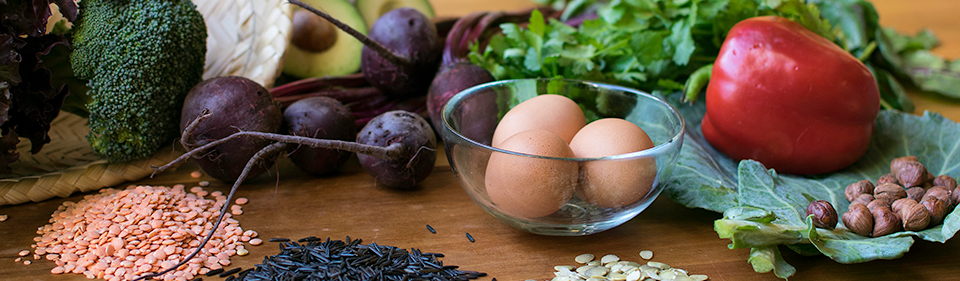
The guiding principles of the Food as Medicine Institute emphasize using everyday foods to support optimal health. Whole foods provide vitamins, minerals, fiber, antioxidants, and phytonutrients that work together to regulate immune function and optimize your health.
Nourishing foods help the body regulate inflammatory responses, so they are appropriate and temporary rather than chronic and damaging. Dietary patterns such as the Mediterranean-style and plant-forward approaches are strongly associated with lower inflammatory markers. They do this by emphasizing:
- Colorful vegetables and fruits
- Whole grains and legumes
- Healthy fats like olive oil and nuts
- Fatty fish rich in omega-3s
- Herbs and spices
When paired with supportive lifestyle habits — including quality sleep, regular movement, stress management, and minimizing environmental toxin exposure — nutrition becomes a powerful foundation for reducing chronic inflammation and promoting long-term health.
Takeaway: Inflammation Is a Signal, not a Sentence
Inflammation isn’t the enemy — it’s a signal. In the short term, it protects and heals. But when it becomes chronic, it can quietly contribute to long-term health challenges.
The good news is that chronic inflammation is influenced by everyday choices. What you eat, how you sleep, how you move, and how you manage stress all shape how your immune system responds.
From a food-as-medicine perspective, the goal isn’t to eliminate inflammation, but to support balance. Small, consistent changes — like adding more whole foods, prioritizing rest, and moving daily — can help calm inflammatory pathways and promote long-term resilience.